
How Coastal North Carolina Weather Impacts Your Roof | Roof Repair in Havelock, NC
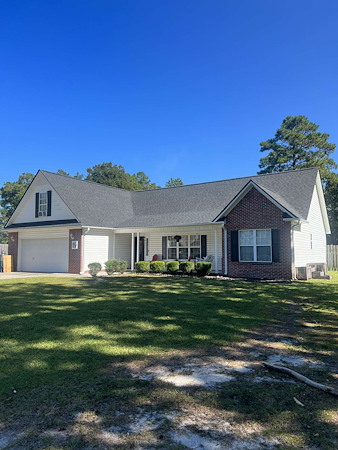
Life by the Crystal Coast brings sunshine and sea breezes, but it is tough on shingles, flashing, and fasteners. If you live in neighborhoods like Tucker Creek or Carolina Pines, your roof faces year-round humidity, wind-driven rain, and salty air that speed up wear. When small problems start, professional roof repair in Havelock, NC keeps a drip from turning into ceiling stains and damaged decking.
In this guide, we break down how humidity, heavy rain, coastal winds, hurricanes, and salt air work on your roof in Eastern North Carolina, and why steady inspections and maintenance matter. For a quick overview of services and local expertise, you can always start at our homepage and learn more about roof repair in Havelock, NC.
Why Coastal Humidity And Salt Air Wear Down Roofs
Eastern North Carolina stays humid most of the year. Moist air lingers on shaded slopes, feeding algae and mildew that hold water against shingles. Over time, that moisture can loosen protective granules and speed up aging. Along the coast, fine salt particles ride the breeze and settle on your roof. Salt does not melt shingles, but it can attract and hold moisture and it can encourage rust on metal components like nail heads, flashing, and vents.
Salt air accelerates corrosion on exposed metal, especially around chimneys, skylights, and ridge vents. In communities near Bogue Sound and the Neuse River, we often see surface rust at fasteners and flashing that starts small and then spreads during the wet season. That is why timely inspections focus on these details before rust opens a path for water.
Heavy Rain, Drainage, And Hidden Leaks
Downpours common to Havelock can overwhelm weak points. When water pounds slopes and valleys, it tests every shingle edge and seam. If wind pushes rain sideways, it can blow under lifted tabs and into flashing around walls or dormers. Even a slow drip can travel along felt or sheathing before you ever notice a stain indoors.
- Valleys and walls: repeated rain works under aging step flashing and dried sealants.
- Ridge caps and hips: strong gusts lift edges, letting water drive beneath the cover.
- Penetrations: pipe boots and vent collars crack with heat cycles and then leak under heavy rain.
Good drainage helps, but gutters and downspouts cannot stop leaks if the roof surface is compromised. That is why routine professional checks catch worn sealant, loose shingles, or cracked boots while repairs stay small and targeted.
Coastal Winds And Hurricanes: What Uplift Does To Shingles
Coastal storms bring gusts that try to peel shingles from the edges first. Wind uplift tugs at tabs, weakens the adhesive strip, and flexes the deck. In the Atlantic hurricane season, strong gusts can loosen ridge caps and break the seal between shingles, inviting wind-driven rain into the system.
Avoid walking on a wet or wind-damaged roof. Roofing materials can look fine from the ground but be unstable underfoot after storms. A trained technician knows how to test for uplifted edges, failed seals, and hidden water paths without creating more damage.
Why Regular Roof Inspections Matter In Havelock, NC
Weather along the Crystal Coast is unpredictable. Calm mornings can turn to afternoon squalls, and remnants of tropical systems can arrive with little warning. Regular, professional inspections spot small changes before they spread. An experienced local team understands how humidity and salt air shorten the life of sealants and fasteners and knows where coastal winds usually start trouble.
When it is time for a checkup, scheduling a thorough roof inspection keeps your home ready for the season and reduces surprise leaks.
- Late spring: confirm shingles, ridge caps, flashing, and vents are ready for heat and thunderstorms.
- Early fall: verify seals and edges after the stormiest stretch of summer.
- After any severe wind or named storm: request an urgent assessment to find hidden issues fast.
Schedule a professional roof inspection after any named storm in Craven County, even if you do not see a leak. Hidden moisture can sit in decking and attic lumber for days and then show up as stains or musty odors later. A quick pro check now prevents bigger headaches.
How Humidity Shortens Roof Life Over Time
Humidity speeds the cycle of expansion and contraction. Roof decks warm up fast in the sun, then cool as afternoon clouds roll in. That movement loosens nails and opens hairline gaps at flashing and seams. Moist air then seeps into those gaps and stays longer on shaded surfaces. In shaded streets near the Croatan National Forest, north-facing slopes often show dark algae streaks where moisture sits the longest.
Inside the attic, warm, moist air can condense on rafters when ventilation is out of balance. Over time, that causes discoloration, corrosion on metal connectors, and a musty smell. Balanced intake and exhaust keep temperatures steadier and help the roof deck and shingles last longer.
Maintenance That Extends Roof Life Without DIY
Coastal roofs last longer when a professional follows a simple, repeatable plan. The goal is to prevent small openings and weak points that water and wind can exploit. Early repairs prevent bigger structural problems and keep projects focused on limited areas instead of whole sections.
During a maintenance visit, a pro may review:
- Edges and seams where tabs lift first under wind and heat
- Pipe boots, collars, and flashing that crack with UV and salt exposure
- Ridge vents, soffit intake, and baffles to support proper airflow
- Signs of trapped moisture in decking and attic lumber
If you want a deeper dive into climate effects on materials, this article on how coastal weather affects your roof explains why certain details and products are better suited for Eastern North Carolina’s conditions.
Storm Readiness And Fast Response In Eastern North Carolina
Summer squalls and fall systems can arrive quickly along the Crystal Coast. Before peak season, it helps to have your roofer’s number and a game plan. If shingles lift, if a branch scuffs a slope, or if you notice granules piling by your downspouts after a thunderstorm, a prompt professional visit can limit the spread of water inside the system.
When new damage appears, targeted roof repair closes the door on leaks by resecuring lifted edges, replacing damaged components, and renewing key sealants. That keeps your roof performing through the rest of the season while you plan bigger updates on your timeline.
What Havelock Homeowners Can Expect From A Local Pro
Pro Restoration Plus of NC serves coastal communities that face heat, humidity, and salt air all year. We understand how winds move across open areas near MCAS Cherry Point and how heavy rain stacks up at walls, dormers, and valleys. Our focus is on reliable repairs, steady maintenance, and clear communication so you know what is happening on your roof and why it matters.
Never climb on a steep or slippery roof. From the ground, you can watch for patterns like curling tabs, algae streaks that linger after dry weather, or shiny nail heads at the ridge. When you see anything new, call for a professional inspection so a trained technician can evaluate the system safely.
Ready For A Dry, Durable Roof In Havelock?
If storms, humidity, or salt air have started to show on your home, Pro Restoration Plus of NC is ready to help. To move fast and protect what matters most, contact us to schedule roof repair, or call 252-239-3300 to speak with our local team today. We will evaluate your system, explain next steps, and keep your Havelock home dry through every season.

Time To Upgrade Your Home.
Contact Our Havelock Roofing And Remodeling Company Today!
