
Roof Inspection Havelock NC: Is Your Roof Ready for Hurricane Season? Spring Inspection Checklist
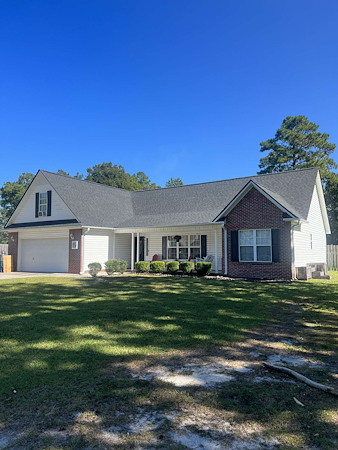
Spring on the Crystal Coast can be calm one day and gusty the next. Living near MCAS Cherry Point and the Croatan National Forest, Havelock homes see salt air, sudden downpours, and strong coastal winds. That is why a professional roof inspection Havelock NC before summer helps prevent small issues from turning into leaks when the first tropical system spins up. If you want a pro set of eyes on your roof, you can schedule a spring roof inspection with Pro Restoration Plus of NC and get ahead of storm season.
Why Spring Roof Inspections Matter In Havelock NC
Winter cold snaps and wind can lift shingle edges and loosen flashing. Pollen and pine straw from nearby forested areas clog gutters, while salt-laden breezes speed up corrosion on exposed metal.
A spring inspection documents your roof’s condition and gives you time to address items before summer heat and coastal thunderstorms arrive. It also provides photos and notes you can reference if a storm later causes damage.
Professional Spring Inspection Checklist For Coastal North Carolina Roofs
During a spring visit, your roofing specialist focuses on storm-readiness and moisture control rather than cosmetic details. Here is what a thorough check typically includes:
- Shingles and seams: lifted tabs, cracked or missing pieces, and granule loss in high-sun areas.
- Flashing and sealants: step flashing at walls, chimneys, skylights, and pipe boots for splits or gaps where wind-driven rain can track.
- Starter courses and edges: secure bond at eaves and rakes to resist uplift.
- Fasteners: signs of rust or back-out that weaken hold in strong gusts.
- Ridge vents and attic ventilation: clear intakes and exhaust to reduce heat buildup.
- Gutters and downspouts: debris blockages that force water under shingles.
- Attic and ceilings: moisture stains, daylight at penetrations, or musty odors.
- Soft metals: flashing, drip edge, and exposed nails checked for corrosion from salt air.
Book early in spring to secure your preferred appointment window so you are not stuck waiting if coastal weather ramps up quickly.
Common Hurricane Weak Points We Find
Edges and corners take the most wind. When starter strips are poorly bonded, gusts can lift the first shingle row and peel back a whole section. Raised nails are another culprit. A few millimeters of lift breaks the seal path and invites water intrusion during sideways rain.
Wall intersections and chimneys are frequent leak sources. Dried, cracked sealant or misaligned step flashing lets water ride behind siding. Skylights and pipe boots also age faster on the coast. UV exposure and salt shorten the life of rubber components if they are not monitored and replaced on time.
Ridge and hip areas deserve attention too. Loose caps or vent housings whistle in high wind, then leak when heavy bands pass through. Your inspector will flag these spots and outline simple repair steps a crew can complete well before summer.
Materials And Details That Perform Better On The Coast
On the coast, details beat slogans. Sealed starter courses and properly nailed architectural shingles resist uplift. High-quality pipe boots and corrosion-resistant fasteners hold up better around salt air. Well-fitted drip edge helps guide sheets of water into the gutter instead of behind fascia during heavy bursts.
If your roof is nearing the end of its service life, your inspector may recommend targeted roof repair now with a plan for replacement later, or a full replacement if wear is widespread. Either path aims to reduce the chance of emergency calls during the most active weeks of the season.
Storm Damage Prevention Starts With Documentation
After a professional inspection, you should have a photo report and plain-language notes. These help you understand priorities, and they also create a baseline if you need to talk with your insurer after a storm. Keeping this file in your email or cloud folder makes quick work of future comparisons.
Consistent annual documentation can save time and frustration if you ever have to prove your roof was well maintained before a storm.
What To Expect When You Call A Roofing Company Near You
Most visits start with a brief conversation about past leaks and any ceiling spots you may have noticed. The technician then inspects the roof, attic access points if available, and the gutter system. You receive photos, simple explanations, and a clear action list in order of urgency.
If small items are found early, crews can often handle them in a single follow-up visit. Larger items may be scheduled for a separate day. Do not wait if you see new ceiling staining after a wind event. Quick professional attention limits spread and protects framing, insulation, and finishes.
Local Factors Around Havelock
Homes near open exposure, waterways, or long fetch across fields may feel stronger gusts. Salt air and humidity around the Neuse River estuary speed up metal corrosion, especially on unprotected fasteners. Tree lines can help with shade but may drop debris that clogs valleys and gutters after spring pollen.
Because our weather can shift fast, homeowners often search for a “roofing contractor near me” who understands coastal North Carolina. Pro Restoration Plus of NC works on a wide mix of roof styles in the area and tailors inspection checklists to match local conditions.
How A Pro Prioritizes Repairs Before Storm Season
Safety and water control come first. Crews address active leak points, reseal critical flashing, and secure loose edges. Next come preventive items like replacing brittle pipe boots and swapping corroded fasteners for better hold. Finally, cosmetic touch-ups and non-urgent items are planned for cooler months.
If your roof needs more than repairs, your inspector will explain the timeline for materials and crew availability. Choosing the right season and weather window is important so sealants cure and adhesives bond the way manufacturers intend.
Roof Maintenance Habits That Pay Off On The Coast
- Schedule a professional inspection each spring, then again after any significant tropical event.
- Keep your inspection report and photos together so you can track aging parts and plan ahead.
- Address recommended items promptly to extend shingle life and reduce emergency calls.
Work only with a licensed, insured roofing company that documents every visit and stands behind the workmanship. That record builds trust and helps protect your home through the most active months.
Ready To Book Your Spring Inspection?
If you are getting the house and family plans ready for storm season, now is the right moment to act. Use this checklist as your guide and let a pro handle the details. You can book a convenient appointment online and get a clear, written report.
Set your roof up for a calmer summer. Start here and request a professional roof inspection with Pro Restoration Plus of NC, or call us at 252-239-3300 to talk through your questions with a friendly local expert.
About Our Havelock Roofing Team
Pro Restoration Plus of NC is a local Roofing Company serving Havelock and surrounding coastal communities. We understand the way wind-driven rain behaves on coastal roofs and how salt air ages materials faster. Our process is simple, thorough, and focused on preventing storm damage before it starts.
If you want a partner who knows coastal NC conditions, we are here to help. Learn more about our dedicated service and book your spring visit today.

Time To Upgrade Your Home.
Contact Our Havelock Roofing And Remodeling Company Today!
